Last Updated: November 26, 2026
A drone newbie can absolutely film first and frame shots later, as long as the aircraft captures more than a single narrow viewpoint. That workflow matters because beginners often miss perfect timing, camera direction, or composition during flight. Instead of locking every decision in the air, they can focus on flying a safe path and shaping the shot afterward in editing. With the right capture method, one pass can become several usable angles. For learning filmmakers, that means less pressure on set and more freedom to build polished sequences from a simple flight.
Table of Contents
What Does “Film First, Frame Later” Mean?
Capture the Surroundings Instead of One Fixed View
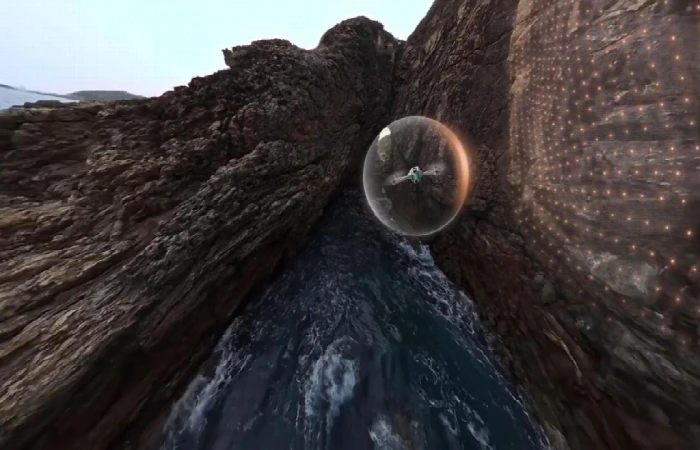
“Film first, frame later” means recording the broader scene instead of committing to one camera angle while the drone is moving. Rather than aiming at a single viewpoint, the pilot captures the surroundings and chooses the composition afterward. Choosing a drone for newbie filmmakers with 360° capture gives beginners more room to adjust framing after each flight. Antigravity A1 records 8K 360° video through lenses positioned above and below the aircraft. Its stitching algorithm removes the drone from the resulting footage, allowing editors to select forward, backward, side, or top-down views from the same recording after landing.
Choose the Viewing Direction During Editing
Once the flight is finished, the editor can decide where the audience should look at any moment. That is the core advantage of reframing. If the subject drifts left, rises in the frame, or becomes more interesting from another side, the viewing direction can be adjusted in post instead of being lost forever. A beginner can turn one broad capture into a forward reveal, a side-following shot, or a backward-looking pullaway, depending on the story. This editing stage also helps correct small mistakes, such as late pans or awkward subject placement. In practice, it shifts creative pressure from the flight itself to a calmer, more controllable post-production process.
How Should a Beginner Plan a Flight for Reframing?
Choose a Clear Subject and a Simple Route
A beginner should start with one obvious subject and one easy flight path. That keeps the footage readable and makes reframing choices stronger later. Good examples include circling a lone tree, moving toward a dock, or tracking a person walking along an open path. Complex routes usually create messy motion, uneven speed, and too many distractions in the frame. A simple move gives the editor cleaner material to work with and makes keyframed reframing look intentional rather than chaotic. Before takeoff, decide what the subject is, where the drone will begin, and where it will end. Clear planning reduces rushed flying and produces footage that is easier to shape afterward.
Leave Room for Different Compositions
When planning a reframing flight, avoid flying so close that every future composition feels cramped. Give the subject breathing room and keep important details from hugging the edge of the capture area. Extra space lets you create a wide establishing shot, a more centered follow shot, or an off-center composition with stronger visual balance during editing. It also helps when the subject changes direction unexpectedly. Beginners should think in terms of coverage, not perfection in a single moment. Maintain steady altitude, moderate speed, and enough distance to protect options later. That small margin around the action is what allows one flight to support several shot styles instead of only one.
How Can You Turn One Flight Into Different Shots?
Build a Smooth Sequence With a Few Keyframes
One flight becomes multiple shots when you use keyframes to guide the viewer through the captured scene. Start with a clear opening frame, then add a few intentional reframing points where the virtual camera changes direction, recenters the subject, or widens the view. You do not need dozens of adjustments. In fact, fewer keyframes usually create smoother motion and a more cinematic result. A beginner might begin with a wide reveal, shift into a centered tracking shot, and end on a gentle pullback. That sequence can come from one pass if the original capture includes enough surrounding detail. Smooth pacing matters more than flashy movement when you want footage to feel polished.
Reframe for Horizontal and Vertical Videos
Reframing also makes one flight useful across different delivery formats. A horizontal version can emphasize landscape, movement, and spatial context for long-form edits or widescreen platforms. The same capture can then be reframed vertically to keep the subject centered for short-form mobile viewing. For beginners, that flexibility saves time because they do not need separate flights for each format. A1’s 8K 360° recording provides panoramic footage for choosing different compositions during editing. You can adjust the viewing direction and framing to suit each platform while keeping attention on the subject. One planned flight can therefore provide material for social clips, travel films, and longer video sequences from the same recording.
Conclusion
Yes, a drone newbie can film first and frame shots later, and that approach can make early filmmaking much easier. The key is capturing enough of the scene to preserve options, then using editing to choose direction, composition, and format with more control. A simple route, a clear subject, and steady movement give the best results. For beginners, this workflow reduces pressure during flight while expanding creative choices afterward. When a drone supports broad scene capture well, one thoughtful pass can become several usable, polished shots for different storytelling needs.
Also Read: 12 Best Startup Ideas in India Worth Exploring